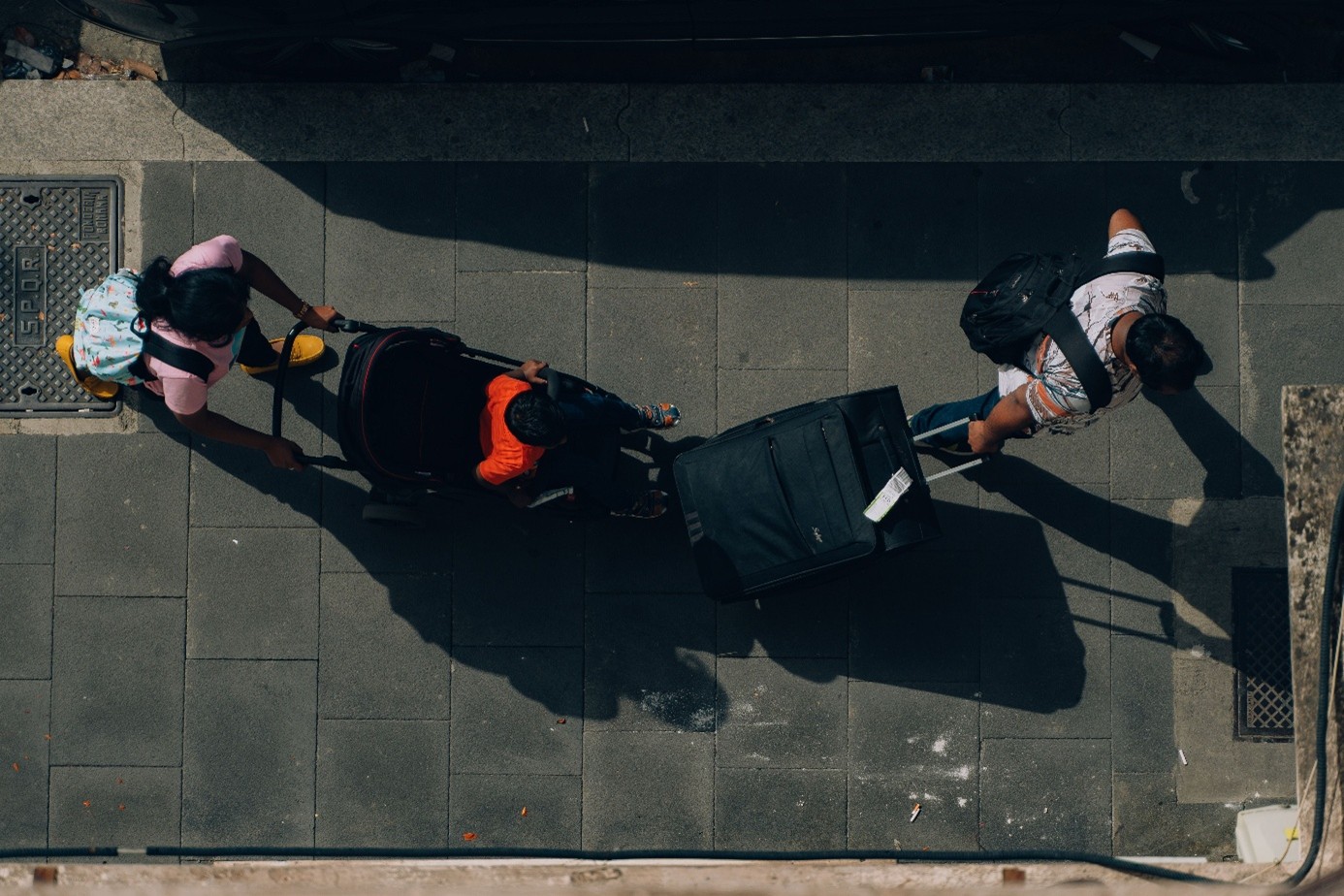
A family reunion allows family members, to join their relatives in Germany and live there together. The most commonly used visa is the family reunion visa for spouses. This is usually taken into consideration when one partner has already established a life in Germany and the other one wishes to follow from abroad.
Many applicants have questions about the process: Who is eligible for a family reunification visa in Germany? Which visa is required? How long does the application take? How much does it cost?
In this blog you will learn everything you need to know about the family reunion visa for Germany.
Which family members are eligible for family reunion visa in Germany?
The German immigration law generally allows a family reunion visa for Germany for the following family members:
Family reunification visa in Germany for other relatives, such as adult children, siblings, grandparents or other extended family members, is only possible in exceptional circumstances and under much stricter requirements.
How to apply for a family reunion visa in Germany
The application must be submitted to the German embassy or the Consulate General responsible for the applicant’s country of residence. In many countries, appointments and visa applications can be booked online via the consular service portal of the federal foreign office. After submission, the application is getting reviewed and forwarded to the responsible immigration office in Germany. The family reunification visa for Germany can only be given after their approval. Applicants should also ensure that all required documents are complete and, where necessary, officially translated.
How long does the process of the family reunion visa for Germany take?
Processing times vary depending on the applicant’s country of residence, the German embassy and the responsible immigration office in Germany and also the complexity of the individual case. In many cases applicants receive a decision within 6 to 14 weeks, although processing can take considerably longer. Besides the actual process of the family reunion visa for Germany the applicant should consider additional waiting times before the application is even submitted. This includes embassy appointments, collecting required documents or obtaining certified translations. As a result, the entire process may take several months.
Family reunion visa for Germany and the requirements
The requirements for a family reunion visa for Germany depend on the relationship between the applicant and the family member in Germany as well as the residential status of the family member living in Germany.
Typical requirements include:
Depending on the individual case, additional documents may be required, such as proof of sufficient living space, secure financial means, health insurance or proof of basic German language skills. Since the family reunion visa and the requirements are assessed individually, applicants should always check the specific requirements applicable to their situation. Some documents like marriage or birth certificate and passports must generally be submitted in German. If your documents are issued in another language, certified translations may be required.
Family reunion visa for Germany for a spouse
For the family reunion visa for Germany for a spouse a national visa of category D is required. After arrival the visa is converted into a residence permit. The requirements depend largely on the residence status of the spouse living in Germany. However, exemptions may apply for proof of German language skills depending on nationality, the residence permit of the spouse in Germany or other circumstances. The immigration authorities decide on the required documents on a case-by-case basis.
Family reunion visa for Germany for a child
The rules for family reunion visa for Germany for a child differ depending on the child’s and parent’s nationality.
How much does a family reunification visa for Germany cost?
The standard fee for a family reunion visa for Germany is generally €75 for adults. After arrival in Germany, an additional fee is usually charged for issuing the residence permit, often around €100. This also depends on the applicant’s residential status. In the case of an underage person it is usually a lower fee. Reduced fees or complete fee exemptions may apply, particularly for family members of German citizens or minor children.
Conclusion
A family reunification visa for Germany provides close family members the opportunity to join their relatives in Germany and live together as a family. It is commonly issued for spouses, but it is also available for a family reunion visa for Germany for a child. In general spouses, registered partners, minor unmarried children and under certain circumstances parents of minor children residing in Germany are eligible to apply. Siblings and adult children have to deal with stricter rules. Applications must be submitted to the German embassy and are reviewed by the immigration office in Germany.